
WHY THIS SUMMIT NOW
Romania is fully
in Schengen
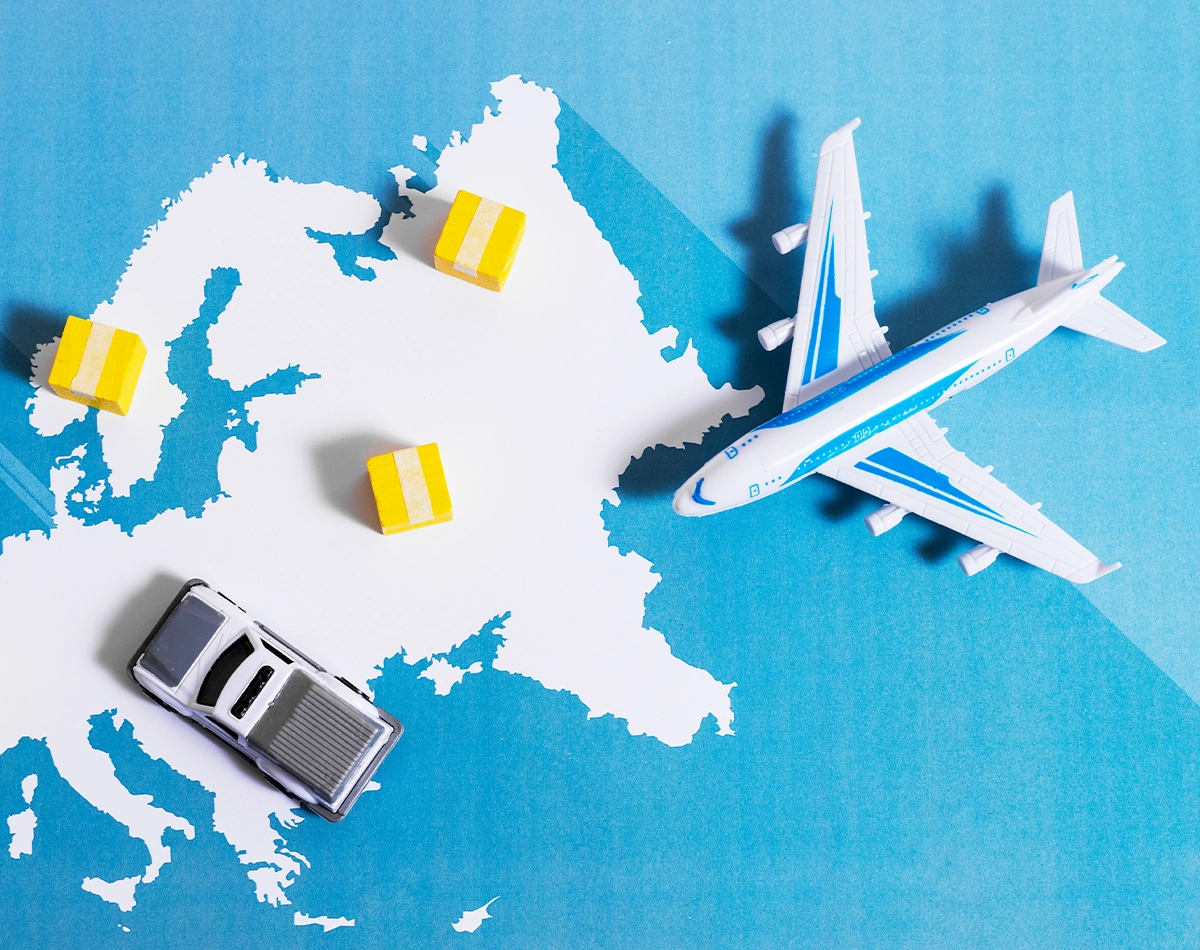
Romania’s full integration into the Schengen Area, starting January 1, 2025, creates new opportunities for cross-border transport and supports more efficient trade flows across Europe and the Black Sea region.
Rhine–Danube Corridor
Linking Western and Central Europe with the Black Sea, the Rhine–Danube Corridor integrates inland waterways, rail and road networks, supporting efficient and sustainable freight transport through the Port of Constanța.
Trade routes
are being redrawn
Changes in global trade patterns are increasing the strategic importance of reliable and diversified transport corridors. The Black Sea, the Port of Constanța and the Danube can play a significant role in connecting regional markets with Europe and global trade routes.
Digital freight rules
are accelerating
The EU eFTI framework is shifting transport documents to trusted digital formats, with estimated savings of up to €1 billion per year.
TALKING ABOUT INDUSTRY!
~250+ participants
The Black Sea region offers significant potential for expanding trade flows and strengthening Europe–Asia connectivity. The Port of Constanța, together with the Danube and its connections to the European transport network, provides a strategic platform for developing efficient multimodal corridors.
BlackSeaCon brings together port operators, transport and logistics companies, cargo owners and public authorities to explore new business opportunities, strengthen regional cooperation and support the development of competitive and sustainable transport routes.
Palace of Parliament, Bucharest — the stage for Black Sea trade leaders
Why industry leaders should attend
Connect with decision-makers across ports, transport, logistics and trade.
Gain insights into Black Sea and European transport corridors.
Explore opportunities linked to the Danube–Black Sea transport axis and sustainable logistics.
Develop partnerships across maritime, inland waterway, rail and road transport.
Engage with institutional stakeholders on regional connectivity and trade facilitation.
MEET THE SPEAKERS BLACKSEACON 2026
Connect with the leaders driving change across trade routes, logistics, and global connectivity.



EXPLORE THE FUTURE OF GLOBAL TRADE AND LOGISTICS
Every of 3 days of event will be packed with speeches…
MARKET REALITY: NUMBERS THAT MATTER
Dedicated exhibition area connecting logistics operators, cargo owners, and solution providers with key decision-makers.
Shifts in global trade
There is no clearly established direct connection between the Port of Constanța’s handling capacity, its role in accommodating Ukrainian cargo flows, and the broader reconfiguration of global trade routes.
As argued above and further explained below, these developments should be analyzed separately rather than presented as evidence of the same trend.
The figures concerning the Suez and Panama Canals reflect disruptions to global shipping routes, while the data on Constanța primarily illustrate the port’s capacity and its temporary role in handling Ukrainian cargo.
What this means
Goods are already being rerouted on a large scale as a consequence of geopolitical conflicts.
Traditional trade routes are becoming increasingly difficult to use: They are not inherently inefficient but are temporarily blocked or disrupted.
The Black Sea Corridor could gain greater strategic importance: However, there are currently few clear signs of this happening. In fact, the very geopolitical conflicts reshaping global trade routes are also limiting the corridor’s use, with the notable exception of Ukraine’s trade flows. Security policies in the Black Sea region also play a significant role in shaping its accessibility and use.
Strategic implication
- Cargo volumes are being redistributed
- New routing decisions are happening now
- Who captures the cargo, captures the margin
Black Sea Trade Corridors: Challenges and Opportunities
Competing routes
Poland vs Romania → North vs Black Sea
Turkey vs Black Sea → Competing gateways
Bulgaria vs Romania → Regional entry point battle
What is happening now
Cargo flows are shifting between corridors
Disruptions are accelerating rerouting
New logistics patterns are emerging
Strategic implication
New control points are emerging across the region
Early positioning secures future cargo flows
Join the shift — don’t get left behind
ROMANIA: GATEWAY TO EUROPEAN & BLACK SEA TRADE

CONFERENCE MANDATE AND AGENDA PILLARS
Connecting Markets, Infrastructure and Commercial Opportunities
1. Port of Constanța and Regional Trade Connectivity
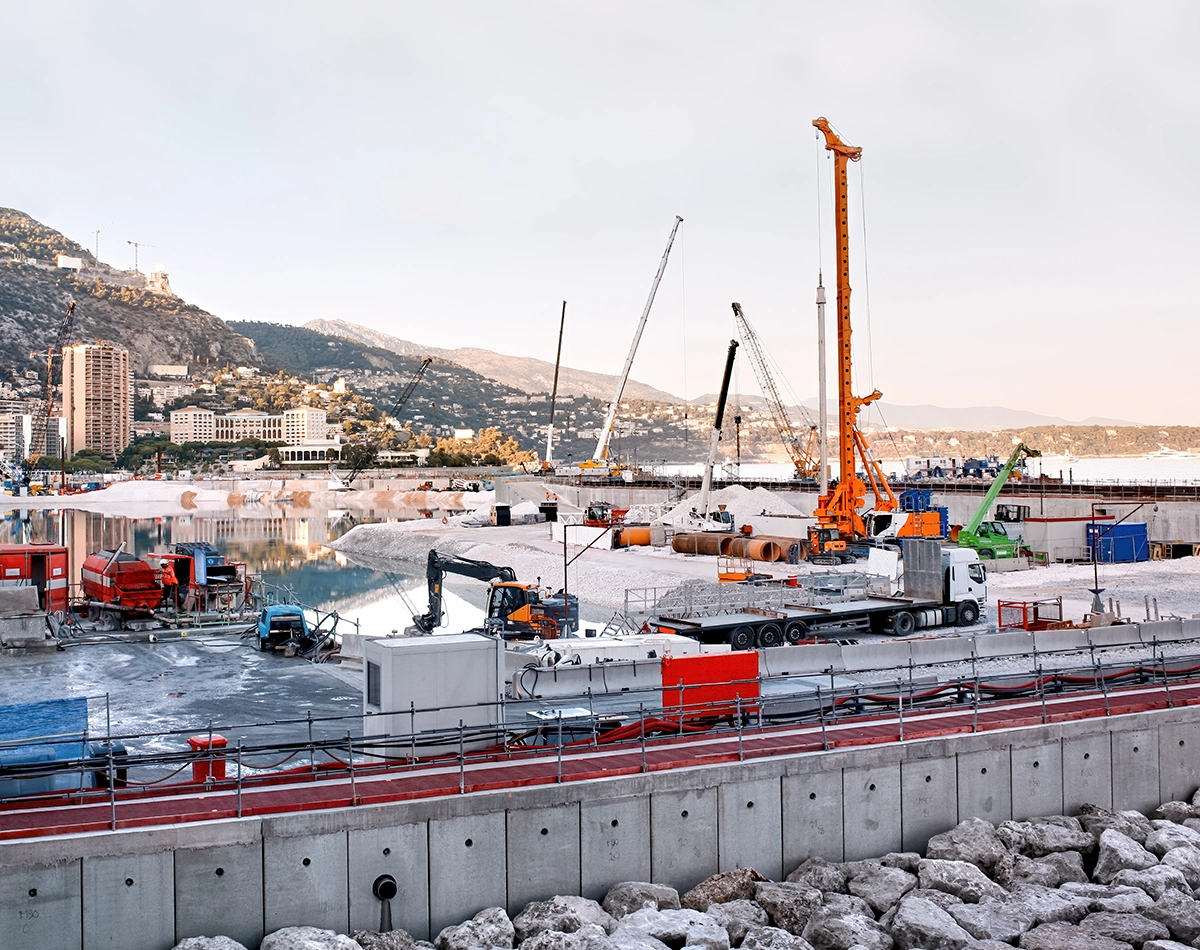
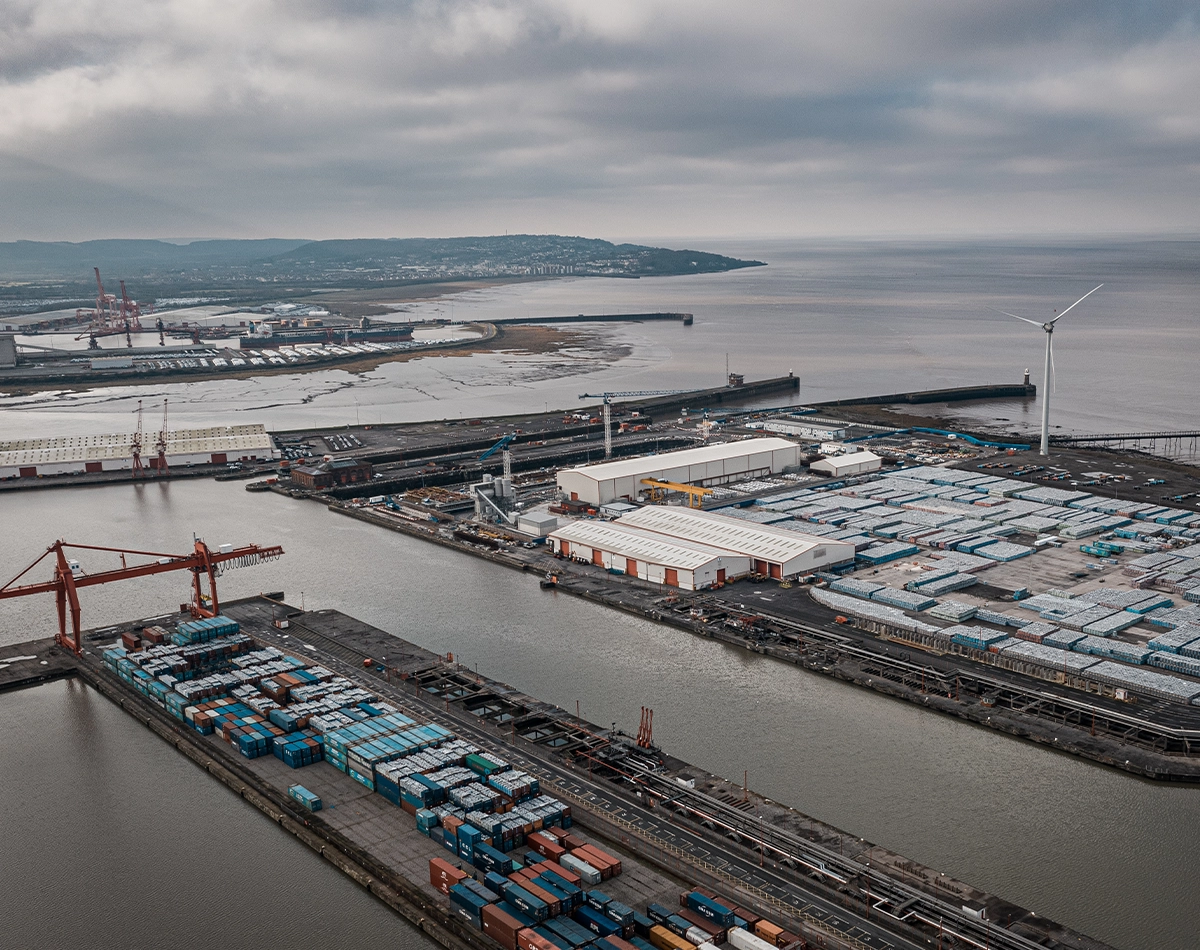
Strengthening the Port of Constanța’s role as a logistics and multimodal hub, connecting Romanian and regional markets with European and global trade networks.
2. The Danube–Black Sea Transport Corridor
Enhancing inland waterway and maritime connectivity while promoting sustainable transport, decarbonisation and more efficient freight flows.
3. Multimodal Transport Integration
Improving coordination and operational efficiency between maritime, inland waterway, rail and road transport networks.
4. Digitalization & E-Commerce Integration
Integrating logistics flows with e-commerce platforms, fulfilment systems and real-time demand signals.
5. Digitalisation and Trade Facilitation
Advancing digital solutions, customs simplification, data exchange and more efficient logistics and border procedures.
6. Regional Cooperation and Market Access
Strengthening cooperation between ports, logistics operators, businesses and public authorities to improve connectivity and market access.
PRIORITY INVITATION UNIVERSE
Who needs to be in the room for the event to matter commercially and institutionally.
AUTHORITIES, POLICY& INSTITUTIONS
Ministry of Transport (TBC), Romanian Customs (TBC), port administrations, railway infrastructure representatives, border and corridor agencies.
PORTS, TERMINALS & OPERATORS
Port of Constanta ecosistem and Black Sea & Eastern Mediterranean Port representatives
Key Partners: Comvex, DSV,
TTS (Transport Trade Services) SA, SCS.
BILATERAL CHAMBERS & EMBASSIES
Chambers of Commerce acting as institutional partners across Romania–Ukraine, Moldova, Bulgaria, Georgia, China, India, Egypt, Korea, Turcia and Algeria (TBC).
RAIL, ROAD, AIR & FORWARDING
GRAMPET freight forwarders, intermodal operators, trucking companies, cargo airlines, RomCargo and Silk Way Cargo targets.
COUNTRY DELEGATIONS
Egypt, Algeria, Türkiye, Ukraine, Moldova, Romania, Bulgaria, Georgia, Azerbaijan, Kazakhstan, India (TBC), China, Korea (TBC).
CARGO,TRADERS & TECH
Commodity traders, project cargo owners, customs tech, visibility / digitalization providers, scanning, compliance and logistics software firms. Major cargo owners: Bunge Cofco Ameropa Nebulon.
position the summit as a curated B2B + policy forum —not a mass event. Quality of room matters more than volume.
Supported by: COMVEX, DSV Romania, TTS (Transport Trade Services) SA, SCS, GRAMPET S.A. Romania.
GET IN TOUCH
Given the scale and complexity of the conference, you may have questions regarding participation, agenda, or partnerships. Feel free to reach out — our team is ready to assist.
EVENT SUPPORTED BY
Official Event Partners















Media Partners



STILL HAVE SOME QUESTIONS LEFT?